


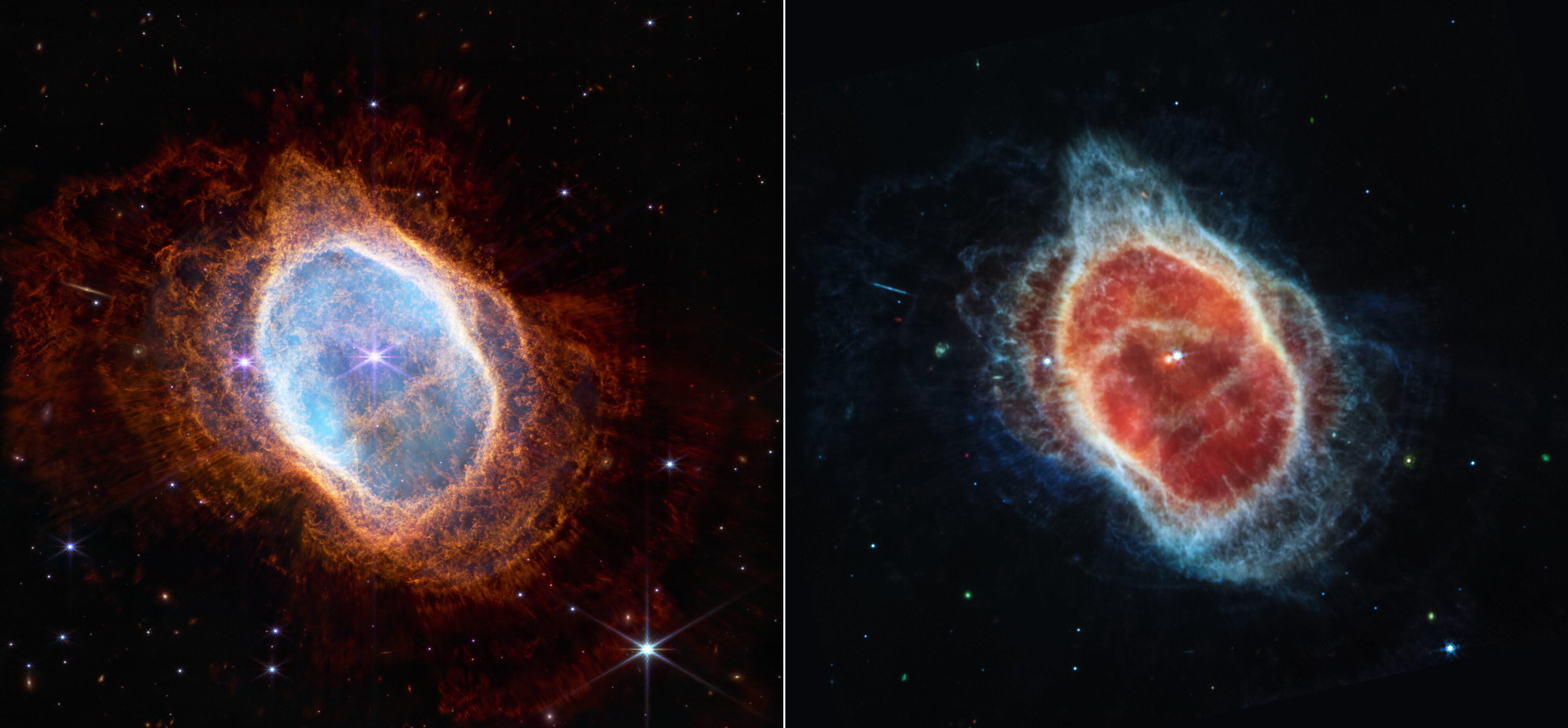
From stellar birth to stellar remnants
Stars form in clouds of gas and dust. Their mass influences their evolution and the remnants they leave behind.
Read the scientific sourceExplore deep space, the nature of time and the quantum world. Read the journeys of Dhul-Qarnayn through a source-based dialogue between Qur’anic interpretation and contemporary scientific knowledge.
Begin with the physical universe: stars, planets, galaxies and the instruments that turn light into knowledge. Observational astronomy and interpretive reading follow different methods; both benefit from clear questions.
Stars form in clouds of gas and dust. Their mass influences their evolution and the remnants they leave behind.
Read the scientific sourceGalaxies gather vast stellar populations. Their structures and interactions help astronomers investigate how the universe changes over time.
Read the scientific sourceAn event horizon marks a boundary beyond which light cannot escape. Black holes are astrophysical objects, not established portals for travel.
Read the scientific sourceLight takes time to reach us. Telescopes reveal distant objects as they were when the light began its journey.
Read the scientific sourcePlanetary science studies environments and physical processes. Detecting an exoplanet does not itself establish the presence of life.
Read the scientific sourceA striking image is a starting point. Wavelength, calibration, spectra and comparison determine what can be inferred from it.
Read the scientific source

Relativity links space and time. Clock rates depend on motion and gravity; the effect is measured and matters in satellite navigation. Travelling into the past is a separate, unestablished proposition.
Choose a constant speed relative to an inertial reference frame. Compare elapsed time aboard the moving craft with a 10-year interval in that frame.
An idealised constant-speed comparison. Acceleration, gravity and a return journey are omitted; this is not a spacecraft flight plan.
Moving clocks and clocks in different gravitational conditions can register different elapsed times. The comparison must specify the reference frames.
Explore the sourceSome mathematical spacetime models raise the possibility of unusual connections. No traversable wormhole has been established as a travel route.
Explore the sourceA solution in a theoretical model is not the same as a physically realisable machine. Causality and physical feasibility remain central questions.
Explore the sourceMove from foundational ideas to quantum information and the interface with cosmology. The topic cards provide a reading map, followed by a simple qubit demonstration.
A state gives the mathematical information used to calculate measurement probabilities. It is not a miniature classical picture of a particle.
A state can combine basis states with complex amplitudes. Measurement probabilities follow the squared magnitudes of those amplitudes.
Relative phases affect how amplitudes combine. They can reinforce or cancel, changing the probabilities of measurement outcomes.
An experiment specifies an observable or measurement basis. Predictions concern outcomes and probabilities, rather than a hidden movie of the system.
Some pairs of observables cannot both have arbitrarily narrow spreads in the same state. This differs from a merely faulty instrument.
A wavefunction can extend into and through a potential barrier. Transmission can occur where the corresponding classical model predicts reflection.
A joint state can contain correlations that cannot be described as independent states of its parts. These correlations do not provide controllable faster-than-light messaging.
Shared entanglement and classical communication can transfer an unknown quantum state. The protocol does not transport a human body or bypass light-speed limits.
Quantum circuits describe operations and measurements on qubits. A quantum computer is a specialised information-processing system, not a universal shortcut for every task.
Interaction with an environment can suppress observable interference. Preserving useful quantum behaviour is an important experimental challenge.
The Standard Model describes known elementary particles and three fundamental interactions. Gravity is outside that model, leaving important questions open.
Reconciling gravitational physics and quantum theory remains a research frontier. Proposed frameworks should be distinguished from experimental confirmation.
Computational basis: P(0) =
Computational basis: P(1) =
Plus basis: P(+) =
Change the phase to see why the choice of measurement basis matters.
Mathematical demonstration with pseudorandom samples; no quantum hardware is connected. Sampling does not change the state settings.
The protocol concerns a quantum state. A sender and receiver first share entanglement; the sender measures, sends classical results, and the receiver applies a corresponding correction.
It is quantum information transfer, not bodily transportation. Classical communication remains part of the protocol.
Which measurement basis is used? What is actually transmitted? Which parts of the explanation are mathematical predictions, experimental results or interpretations?
How do quantum processes contribute to our understanding of matter and radiation? What additional evidence would be needed for a proposed quantum-gravity model?
Surah Al-Kahf 18:83–98 describes journeys, encounters and a barrier. İskender Türe proposes an astronomical reading of this account. Here, the text, the author’s proposal and scientific knowledge are kept identifiable.
Read the first journey and the encounter described in the narrative. Compare translation choices with geographical and astronomical readings.
Examine the next journey and its human setting. Ask what the wording states and what an interpretation adds.
Study the request for protection, the construction account and its ethical themes. Evaluate proposed locations as interpretations, not established coordinates.
His book asks whether the travels could be understood beyond terrestrial geography, discussing astronomical directions and possible cosmic settings. These are the author’s interpretive proposals; the verses do not supply an independently verified spacecraft route.
A dedicated reading and viewing area for the author’s Zülkarneyn study, accompanied by questions for critical comparison.
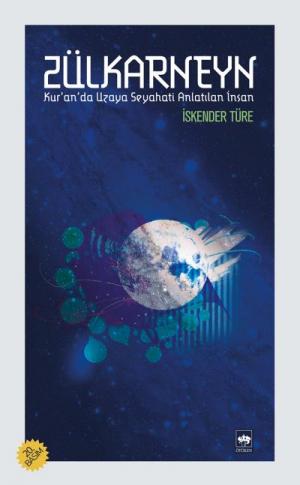
İskender Türe · Ötüken Neşriyat · ISBN 9789754377866.
The book explores an astronomical interpretation of the journeys and considers the language of the narrative alongside earlier explanations. Its questions invite comparison with tafsir, lexicons and contemporary astronomy.
Compare the meanings proposed for key words with Arabic usage and classical commentary. Identify which step moves from translation to a new hypothesis.
Examine the author’s suggested cosmic directions and settings. What textual or observational evidence would distinguish a proposal from an established identification?
Read the protection and construction narrative in its ethical context. Compare technological speculation with the passage’s account of collective action and accountability.

Watch the programme featuring İskender Türe, then return to the Qur’anic passage and the book. Television discussion is a source for the author’s viewpoint, not a substitute for scientific evidence.
Read Al-Kahf 18:83–98 and note the places where different translations make different choices.
Keep three columns: textual claim, proposed interpretation and scientific claim. Record the sources offered for each.
Compare the proposed reading with a classical tafsir and a modern scientific reference. Which questions remain unresolved?
The existing page’s cosmic themes remain available as a reference map. Modern terms such as black hole and neutron star are not direct Qur’anic vocabulary.
| Theme | References | Expression | Reading direction |
|---|---|---|---|
| Heavens & creation | 2:29 · 7:54 · 41:11–12 | samāwāt / arḍ | Creation, order and the interpretive history of the heavens. |
| Seven heavens | 17:44 · 23:17 · 67:3 · 71:15 | sabʿ samāwāt | Language, cosmological readings and classical commentary. |
| Sun & moon | 6:96 · 10:5 · 16:12 | shams / qamar | Cycles, observation and timekeeping. |
| Stars & navigation | 6:97 · 16:16 · 25:61 | najm / nujūm | Navigation, visual order and signs. |
| Orbits & movement | 21:33 · 36:38–40 | falak / yasbaḥūn | Movement and the semantic range of falak. |
| Expansion | 51:47 | la-mūsiʿūn | Compare lexical meanings and tafsir with modern cosmology. |
| Celestial formations | 15:16 · 25:61 · 85:1 | burūj | Visible formations and the language of the sky. |
| Light & darkness | 24:35 · 91:1–4 · 92:1–2 | nūr / layl / ḍuḥā | Physical descriptions, imagery and metaphor. |
| Reflection & signs | 3:190–191 · 45:3–5 | āyāt | Observation, contemplation and responsibility. |
| Cosmic transformation | 21:104 · 81:1–2 · 82:1–2 | folding / darkening | Eschatological language and the limits of physical comparison. |
The current page’s 37-week academic framework is preserved. Filter the sessions by track; dates, speakers and readings can be added by the organising team.
37 sessions shown
| Week | Track | Discussion topic | Guiding question | References |
|---|---|---|---|---|
| 01 | Qur’an & Tafsir | What does “space” mean in Qur’anic language? | How should samāwāt, arḍ and falak be approached linguistically? | 2:29 · 21:33 |
| 02 | Qur’an & Tafsir | The seven heavens | Literal, cosmological, symbolic and layered interpretations: what are the arguments? | 17:44 · 67:3 |
| 03 | Qur’an & Tafsir | Creation in six days | How do classical explanations relate to modern scientific timescales? | 7:54 · 41:9–12 |
| 04 | Qur’an & Tafsir | The meaning of falak | Does the term indicate orbit, path, sphere or a broader movement? | 21:33 · 36:40 |
| 05 | Astronomy | The sun as a cosmic sign | What can observation of the sun teach us about time, energy and dependence? | 6:96 · 91:1 |
| 06 | Astronomy | The moon and measurement | How do lunar phases connect with calendars and human civilization? | 10:5 · 36:39 |
| 07 | Astronomy | Stars and navigation | How have stars functioned as guides across cultures and history? | 6:97 · 16:16 |
| 08 | Astronomy | Planets and celestial systems | How should modern planetary science be compared with Qur’anic celestial vocabulary? | 12:4 · 37:6 |
| 09 | Astronomy | Orbits and gravitational order | What does contemporary astronomy add to our understanding of recurring motion? | 21:33 · 36:40 |
| 10 | Qur’an & Tafsir | The expression “We are expanding” | What are the linguistic and tafsir possibilities of 51:47? | 51:47 |
| 11 | Astronomy | Cosmic expansion | What does modern cosmology mean by an expanding universe? | 51:47 as comparison |
| 12 | Astronomy | Galaxies and star clusters | How can galaxies be studied without forcing them into a particular verse? | 15:16 · 25:61 |
| 13 | Astronomy | Neutron stars | What are stellar remnants, and what are the limits of Qur’anic comparison? | 56:75–76 as theme |
| 14 | Astronomy | Black holes and the unseen | How can the unseen be discussed without claiming a direct scientific prediction? | 81:15–16 as theme |
| 15 | Qur’an & Tafsir | Burūj: constellations or formations? | What do lexicons and tafsir say about burūj? | 15:16 · 85:1 |
| 16 | Astronomy | Light, darkness and perception | How do physical and metaphorical meanings interact? | 24:35 · 91:1–4 |
| 17 | Qur’an & Tafsir | The language of signs | What is the difference between āyah, proof, symbol and observation? | 3:190–191 |
| 18 | Method & Ethics | Scientific concordism | When does comparison become overclaiming? | Method session |
| 19 | Method & Ethics | Text, context and translation | How much can translation change a scientific discussion? | Arabic text + tafsir |
| 20 | Qur’an & Tafsir | Classical cosmology | How did earlier scholars describe the heavens? | Classical tafsir sources |
| 21 | Method & Ethics | Modern tafsir and new knowledge | How should interpretations respond to changing scientific models? | Modern tafsir comparison |
| 22 | Astronomy | Scale and distance in the universe | What do astronomical distances teach about human perspective? | Cosmology overview |
| 23 | Astronomy | Time in astronomy | How do cosmic timescales challenge everyday human intuition? | 10:5 as reflection |
| 24 | Qur’an & Tafsir | The sun, moon and worship time | How do celestial cycles shape religious and social time? | 17:78 · 10:5 |
| 25 | Method & Ethics | Evidence and interpretation | What counts as evidence in textual and scientific disciplines? | Research design |
| 26 | Method & Ethics | How to read scientific claims responsibly | How can sources, uncertainty and peer review be evaluated? | Research literacy |
| 27 | Astronomy | Space exploration and human responsibility | What ethical questions arise from exploring space? | Contemporary astronomy |
| 28 | Qur’an & Tafsir | Contemplation and knowledge | How do reflection and investigation work together? | 3:190–191 · 45:3–5 |
| 29 | Astronomy | The cosmic end | How are eschatological images different from physical models? | 21:104 · 81:1–2 |
| 30 | Method & Ethics | The limits of analogy | When is an analogy useful, and when does it mislead? | Comparative method |
| 31 | Qur’an & Tafsir | A verse-centered research question | How can a broad cosmic theme become a precise research project? | Research workshop |
| 32 | Method & Ethics | Building a reliable bibliography | How should articles, books, tafsir and PDFs be selected? | Library workshop |
| 33 | Astronomy | Presenting astronomical concepts | How can complex ideas such as galaxies and black holes be explained clearly? | Science communication |
| 34 | Qur’an & Tafsir | A balanced reading of cosmic verses | How can Arabic, tafsir and science remain distinct yet connected? | Integrated review |
| 35 | Method & Ethics | Peer discussion and respectful disagreement | What makes an academic debate constructive? | Debate ethics |
| 36 | Method & Ethics | Final research presentations | Can each participant defend a clear question, evidence base and limitation? | Presentation session |
| 37 | Method & Ethics | The future of Qur’an and cosmology studies | What should the next generation of research investigate? | Final symposium |
This is an editable learning framework, not a dated event schedule. Keep programme records, readings and claims linked to their sources.
Connect astronomy, source-based interpretation and scholarly discussion.
A structured reference table for studying the Qur’an’s language of the heavens, celestial bodies, light, movement, creation and cosmic transformation. The scientific themes are research questions, not direct identifications.
| Theme | Qur’anic reference | Key expression | Research direction |
|---|---|---|---|
| The heavens and the earth | 2:29 7:54 41:11–12 | Samāwāt / Arḍ | Creation, order, structure and the relationship between heaven and earth. |
| Seven heavens | 17:44 23:17 67:3 71:15 | Sabʿ samāwāt | Classical cosmology, language, layers and interpretive approaches. |
| Sun and moon | 6:96 10:5 16:12 | Shams / Qamar | Timekeeping, cycles, light and observation. |
| Stars and navigation | 6:97 16:16 25:61 | Najm / Nu jūm | Guidance, navigation, celestial signs and visual order. |
| Orbits and movement | 21:33 36:38–40 | Falak / Yasbaḥūn | Movement, recurring paths and the semantic range of falak. |
| Expansion of the heavens | 51:47 | La-mūsiʿūn | Arabic vocabulary, tafsir history and comparison with modern cosmology. |
| Constellations / cosmic formations | 15:16 25:61 85:1 | Burūj | Visible formations, adornment and the textual image of the sky. |
| Light, darkness and night | 24:35 91:1–4 92:1–2 | Nūr / Layl / Ḍuḥā | Metaphor, physical light, day-night rhythm and spiritual meaning. |
| Cosmic signs and reflection | 3:190–191 45:3–5 | Āyāt | Observation, contemplation, knowledge and ethical responsibility. |
| Cosmic transformation | 21:104 81:1–2 82:1–2 | Folding / darkening | Eschatological imagery and the limits of scientific comparison. |
Research principle: Modern terms such as galaxy, neutron star and black hole should be treated as contemporary scientific categories. They may be discussed alongside Qur’anic themes, but should not automatically be presented as the direct meaning of a verse.
A progressive debate programme moving from Qur’anic vocabulary and observation to astronomy, cosmology, interpretation, ethics and research methodology.
| Week | Track | Debate topic | Guiding question | References |
|---|---|---|---|---|
| 01 | Qur’an & Tafsir | What does “space” mean in Qur’anic language? | How should samāwāt, arḍ and falak be approached linguistically? | 2:29 · 21:33 |
| 02 | Qur’an & Tafsir | The seven heavens | Literal, cosmological, symbolic and layered interpretations: what are the arguments? | 17:44 · 67:3 |
| 03 | Qur’an & Tafsir | Creation in six days | How do classical explanations relate to modern scientific timescales? | 7:54 · 41:9–12 |
| 04 | Qur’an & Tafsir | The meaning of falak | Does the term indicate orbit, path, sphere or a broader movement? | 21:33 · 36:40 |
| 05 | Astronomy | The sun as a cosmic sign | What can observation of the sun teach us about time, energy and dependence? | 6:96 · 91:1 |
| 06 | Astronomy | The moon and measurement | How do lunar phases connect with calendars and human civilization? | 10:5 · 36:39 |
| 07 | Astronomy | Stars and navigation | How have stars functioned as guides across cultures and history? | 6:97 · 16:16 |
| 08 | Astronomy | Planets and celestial systems | How should modern planetary science be compared with Qur’anic celestial vocabulary? | 12:4 · 37:6 |
| 09 | Astronomy | Orbits and gravitational order | What does contemporary astronomy add to our understanding of recurring motion? | 21:33 · 36:40 |
| 10 | Qur’an & Tafsir | The expression “We are expanding” | What are the linguistic and tafsir possibilities of 51:47? | 51:47 |
| 11 | Astronomy | Cosmic expansion | What does modern cosmology mean by an expanding universe? | 51:47 as comparison |
| 12 | Astronomy | Galaxies and star clusters | How can galaxies be studied without forcing them into a particular verse? | 15:16 · 25:61 |
| 13 | Astronomy | Neutron stars | What are stellar remnants, and what are the limits of Qur’anic comparison? | 56:75–76 as theme |
| 14 | Astronomy | Black holes and the unseen | How can the unseen be discussed without claiming a direct scientific prediction? | 81:15–16 as theme |
| 15 | Qur’an & Tafsir | Burūj: constellations or formations? | What do lexicons and tafsir say about burūj? | 15:16 · 85:1 |
| 16 | Astronomy | Light, darkness and perception | How do physical and metaphorical meanings interact? | 24:35 · 91:1–4 |
| 17 | Qur’an & Tafsir | The language of signs | What is the difference between āyah, proof, symbol and observation? | 3:190–191 |
| 18 | Method & Ethics | Scientific concordism | When does comparison become overclaiming? | Method session |
| 19 | Method & Ethics | Text, context and translation | How much can translation change a scientific discussion? | Arabic text + tafsir |
| 20 | Qur’an & Tafsir | Classical cosmology | How did earlier scholars describe the heavens? | Classical tafsir sources |
| 21 | Method & Ethics | Modern tafsir and new knowledge | How should interpretations respond to changing scientific models? | Modern tafsir comparison |
| 22 | Astronomy | Scale and distance in the universe | What do astronomical distances teach about human perspective? | Cosmology overview |
| 23 | Astronomy | Time in astronomy | How do cosmic timescales challenge everyday human intuition? | 10:5 as reflection |
| 24 | Qur’an & Tafsir | The sun, moon and worship time | How do celestial cycles shape religious and social time? | 17:78 · 10:5 |
| 25 | Method & Ethics | Evidence and interpretation | What counts as evidence in textual and scientific disciplines? | Research design |
| 26 | Method & Ethics | How to read scientific claims responsibly | How can sources, uncertainty and peer review be evaluated? | Research literacy |
| 27 | Astronomy | Space exploration and human responsibility | What ethical questions arise from exploring space? | Contemporary astronomy |
| 28 | Qur’an & Tafsir | Contemplation and knowledge | How do reflection and investigation work together? | 3:190–191 · 45:3–5 |
| 29 | Astronomy | The cosmic end | How are eschatological images different from physical models? | 21:104 · 81:1–2 |
| 30 | Method & Ethics | The limits of analogy | When is an analogy useful, and when does it mislead? | Comparative method |
| 31 | Qur’an & Tafsir | A verse-centered research question | How can a broad cosmic theme become a precise research project? | Research workshop |
| 32 | Method & Ethics | Building a reliable bibliography | How should articles, books, tafsir and PDFs be selected? | Library workshop |
| 33 | Astronomy | Presenting astronomical concepts | How can complex ideas such as galaxies and black holes be explained clearly? | Science communication |
| 34 | Qur’an & Tafsir | A balanced reading of cosmic verses | How can Arabic, tafsir and science remain distinct yet connected? | Integrated review |
| 35 | Method & Ethics | Peer discussion and respectful disagreement | What makes an academic debate constructive? | Debate ethics |
| 36 | Method & Ethics | Final research presentations | Can each participant defend a clear question, evidence base and limitation? | Presentation session |
| 37 | Method & Ethics | The future of Qur’an and cosmology studies | What should the next generation of research investigate? | Final symposium |
Programme note: The 37-week sequence is designed as an editable academic framework. Session leaders may add speakers, readings, debate teams, assignments and links to the Institute’s own articles or PDF archive.